Written by Wilhrisca Britz
Formula 1 has long been hailed as the pinnacle of motor racing, showcasing the fastest cars and most talented drivers from around the globe. For South African motorsport enthusiasts, the thrill of witnessing these spectacles has been diminished since the last Grand Prix took place at the Kyalami circuit in 1993. However, recent discussions and developments have sparked hope for the potential return of F1 to South African soil. Let’s delve into the possibility of this highly anticipated revival and what it could mean for the country and its motorsport culture.
A Brief History of F1 in South Africa
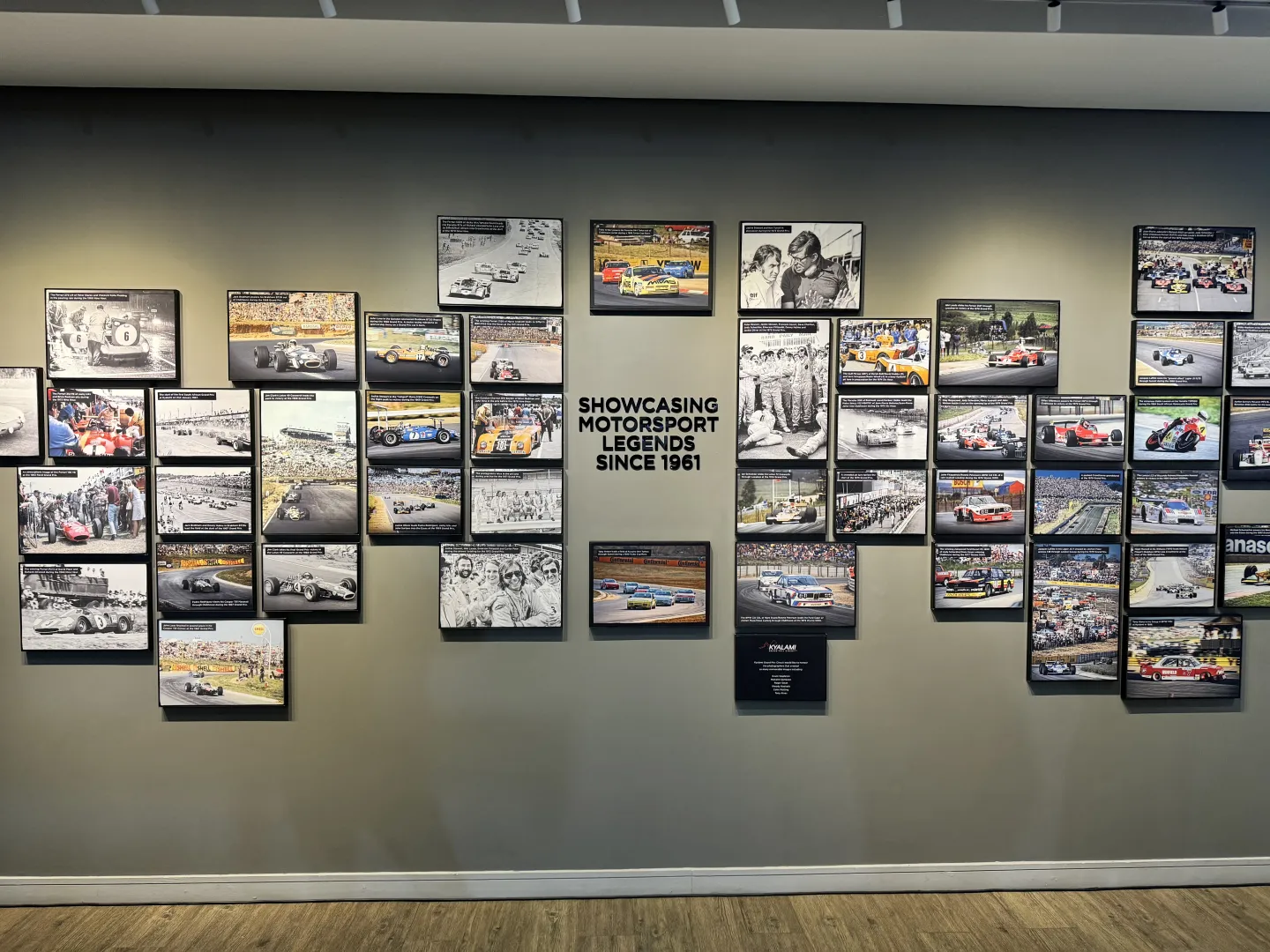
South Africa has a rich motorsport history, with its involvement in F1 dating back to 1962. The country hosted a number of Grands Prix, primarily at the scenic Kyalami circuit, which is located just outside of Johannesburg. Renowned for its challenging layout and picturesque surroundings, Kyalami became a fan-favorite venue. However, economic issues and the political landscape of the 1990s ultimately led to the cessation of races in South Africa.
For over two decades, fans have eagerly awaited the return of F1. With the growth of motorsport in South Africa, highlighted by local talent excelling in various racing series, the time may be ripe for a comeback.
Recent Developments: A Glimmer of Hope
The possibility of F1 returning to South Africa is gaining traction. In 2022, F1 CEO Stefano Domenicali expressed interest in expanding the sport’s global footprint, emphasizing Africa as a key market for growth. With the continent’s expanding middle class and growing interest in motorsport, F1 sees a unique opportunity to attract new fans and sponsors.
In March 2023, reports emerged that the South African government was in discussions with F1 management to resurrect the Grand Prix. This government-backed initiative, combined with South Africa’s robust infrastructure and tourism appeal, makes the country a prime candidate for a future race. According to a spokesperson from the South African Ministry of Sports, Arts, and Culture, hosting an F1 race could “boost the economy, create jobs, and position South Africa as a premier destination for global sports events.”. During the weekend of 14 September 2024, Gayton McKenzie met with Chief Executive of Formula 1 Stefano Domenicali to discuss the future of F1 in South Africa.
The Global Shift Toward Sustainable Racing
As the F1 organization moves towards a more sustainable future, South Africa could play a pivotal role. The introduction of hybrid engines and a commitment to achieving net-zero carbon emissions by 2030 demonstrate F1’s serious intention to reconcile with the global climate crisis. South Africa’s diverse landscapes and commitment to conservation could complement this new direction while providing a unique backdrop for the sport.
Projects like the Kyalami Grand Prix Circuit’s renovations are underway, with hopes that it will meet F1’s stringent safety and technical specifications. Revamping this historic track could allow it to host not just F1 races but also other major motorsport events, creating a permanent home for international racing in the country.
Economic Prospects: What F1 Could Bring to South Africa
The potential economic benefits of hosting an F1 race are staggering. According to a study by the Sports Industry Group, hosting a Grand Prix can generate upwards of $50 million in tourism revenue (+-R880 Million), not to mention the long-term benefits of global exposure. Hotels, restaurants, and local businesses would all stand to gain, making the economic case for pursuing an F1 event in South Africa compelling.
Moreover, the exposure from international broadcasting can promote South Africa as a cultural and tourist destination, attracting visitors from all over the globe. Imagine international tourists flocking to experience not just the thrill of F1 but also the rich culture, beautiful landscapes, and the hospitality that South Africa is known for.
The Path Forward
The return of Formula 1 to South Africa is not just a dream but a growing possibility. With increasing interest from F1 leadership, supportive government initiatives, and the rich motorsport culture in the country, the foundations are being laid for a spectacular comeback. For fans, drivers, and stakeholders alike, the revival of F1 in South Africa could reignite a passion for motorsport and offer a thrilling experience for years to come.
The potential return of Formula 1 (F1) to South Africa could have significant economic benefits for the country. Here are some key areas where F1 could positively impact the South African economy:
Tourism Revenue
Hosting an F1 Grand Prix would attract international spectators, teams, sponsors, and media personnel. This influx of visitors could boost tourism revenue through hotel bookings, dining, local attractions, and shopping. A study by Ernst & Young estimated that hosting an F1 race can generate around $50 million in tourism revenue for the host country.
Job Creation
The organization of an F1 race involves a wide range of economic activities that can create jobs. This includes direct employment opportunities related to the event—such as staff for the racetrack, hospitality, security, and logistics—as well as indirect jobs in sectors like tourism, retail, and transportation. Long-term, the development and maintenance of the racing infrastructure could further create sustainable jobs in various sectors.
Infrastructure Development
To host F1 events, improvements in infrastructure, such as road upgrades, public transport, and telecommunications, may be necessary. These developments not only benefit the event itself but also enhance the overall infrastructure for local communities. Better roads and public transport systems improve accessibility and support economic growth in the long run.
Global Exposure and Branding
F1 is a globally recognized sport with a massive fan base, and being host to a Grand Prix provides an opportunity for South Africa to showcase itself on an international stage. Increased visibility can enhance the country’s branding as a tourist destination, potentially enticing visitors long after the race is over. This exposure can encourage investments in various sectors, including tourism, hospitality, and real estate.
Sponsorship and Investment Opportunities
F1 attracts significant sponsorships and partnerships. Local businesses and brands could get involved, boosting their visibility and potentially garnering new customers. This partnership can develop into investments beyond motorsport, facilitating growth in other areas of the business sector. Additionally, attracting multinational corporations to invest in South Africa because of F1 could have long-term economic benefits.
Boosting Local Businesses
Local vendors and businesses would benefit from the increased foot traffic associated with the Grand Prix. Restaurants, hotels, and shops could see a considerable uptick in sales. Opportunities for local artisans and producers to showcase their goods during the race could also arise, promoting South African culture and cuisine to an international audience.
Promoting Motorsports and Youth Programs
The return of F1 could inspire a new generation of motorsport enthusiasts and foster local talent in racing. Investment in youth development programs and motorsport academies could lead to economic opportunities in the long run, nurturing future drivers, engineers, and technicians who could participate not only in F1 but in various racing disciplines globally.
Enhanced Sports Tourism
Beyond F1 itself, hosting the Grand Prix could encourage sports tourism in general, attracting fans for other racing events or motorsport-related activities. It may stimulate interest in related sports events, increasing attendance at other motorsports tournaments in the country.
Infrastructure Development and Upgrades
– Track Construction or Renovation: Building a new circuit or upgrading an existing one can be very expensive. This includes not only the racetrack but also other facilities such as pit buildings, media centers, grandstands, and hospitality suites.
– Transportation Infrastructure: Upgrading roads, airports, and public transport systems to accommodate the influx of visitors can incur high costs. Improved accessibility is crucial for ensuring a smooth experience for attendees and participants.
Operational Costs
– Event Organization: The costs related to organizing the race are substantial. This includes hiring staff, security, medical services, and logistical support to manage the event successfully.
– Insurance: Host cities typically face high insurance premiums due to the risks involved in hosting a high-profile event, including potential accidents and liability concerns.
Fees and Payments
– Hosting Fees: F1 Rights Holder (Formula One Group) usually charges substantial fees for the rights to host a race. These fees can run into millions of dollars, and negotiations may be complex given the competitiveness of securing hosting rights.
– Revenue Sharing: There may also be revenue-sharing agreements with the rights holder, which can reduce the financial gains from ticket sales and sponsorships.
Marketing and Promotion
– Promotional Campaigns: To attract visitors and build excitement around the event, significant investment in marketing and advertising may be necessary. This could include local, regional, and international campaigns.
Environmental and Social Costs
– Environmental Impact: Hosting a large-scale motorsport event can have negative environmental effects, including carbon emissions and waste generation, which may necessitate mitigation efforts that can incur additional costs.
– Community Impact and Displacement: Concerns about the impact on local communities, including traffic congestion, noise pollution, and displacement of residents/businesses, could lead to protests or require additional resources for community engagement and compensation.
Opportunity Costs
– Diverted Resources: Funds allocated for hosting the race might have otherwise been invested in other critical sectors such as health, education, or infrastructure. The opportunity cost of prioritizing F1 over other potential investments should be assessed.
Risk of Low Attendance
– If the expected audience fails to materialize, due to factors like high ticket prices, competing events, or lack of local interest, the financial return on investment could be significantly lower than anticipated. This risk is compounded by economic conditions or travel restrictions.
Post-Event Considerations
– After the event, costs can arise related to dismantling temporary infrastructure and additional maintenance of permanent structures. Ensuring that the facilities continue to be utilized in a beneficial manner can also involve ongoing costs.
Hosting an F1 event in South Africa carries considerable financial burdens and risks. While the potential upside includes tourism revenue and global exposure, careful planning, financial forecasting, and thorough assessments of both short-term and long-term impacts will be crucial for ensuring that the event’s benefits outweigh the costs. Stakeholders would need to engage in strategic partnerships and community consultations to address challenges and optimize outcomes for all involved.
As we watch F1 continue its global expansion, let’s keep our fingers crossed and hope that South African soil can once again witness the roar of F1 engines racing through its scenic landscapes. The dream of an F1 race in South Africa could be closer than we think!